Essential Benefits of Seismic Retrofitting for Homeowners
- Alperen Gün
- Mar 31
- 4 min read

Seismic retrofitting is not just a technical term; it’s a crucial step that homeowners can take to protect their properties and loved ones from the devastating effects of earthquakes. As natural disasters become more frequent and unpredictable, understanding the importance of seismic retrofitting has never been more essential. This blog post will explore the key benefits of seismic retrofitting, providing homeowners with the knowledge they need to make informed decisions about their property’s safety.
Understanding Seismic Retrofitting
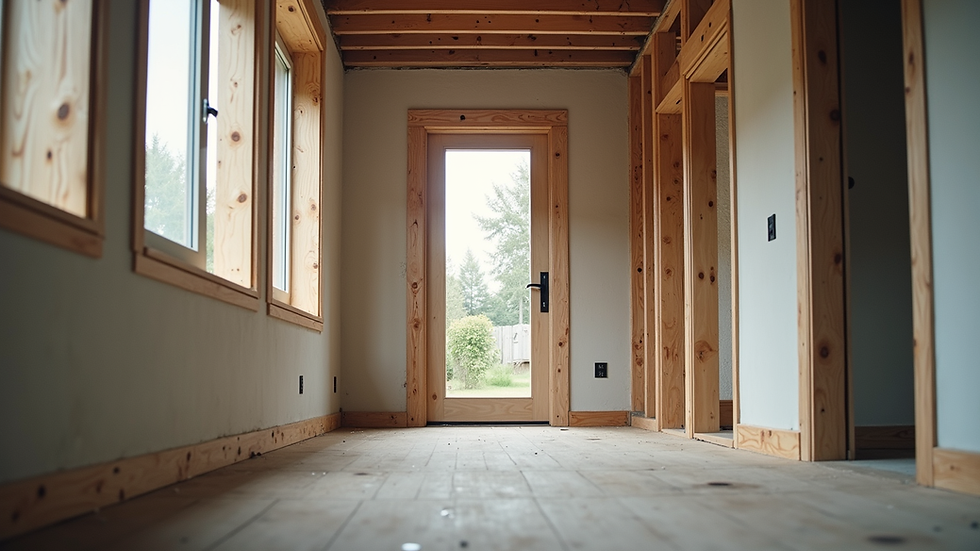
Seismic retrofitting involves strengthening existing structures to make them more resistant to seismic activity. This process can include various techniques, such as reinforcing walls, adding steel braces, and improving the foundation. The goal is to minimize damage during an earthquake, ensuring the safety of the occupants and preserving the integrity of the building.
Why is Seismic Retrofitting Important?
Earthquakes can strike without warning, causing significant damage to homes and infrastructure. According to the United States Geological Survey (USGS), about 20,000 earthquakes are recorded each year in the United States alone. While not all of these quakes are severe, even minor tremors can lead to structural damage if a home is not adequately prepared.
The Benefits of Seismic Retrofitting
1. Enhanced Safety for Residents
The primary benefit of seismic retrofitting is the enhanced safety it provides for residents. By reinforcing a home’s structure, homeowners can significantly reduce the risk of injury or loss of life during an earthquake. For example, homes that have undergone retrofitting are less likely to collapse, providing peace of mind for families.
2. Protection of Property and Assets
In addition to safeguarding lives, seismic retrofitting protects the property itself. Homes that are not retrofitted may suffer extensive damage during an earthquake, leading to costly repairs. Retrofitting can help maintain the value of a home by preventing structural damage and ensuring that it remains a safe investment.
3. Lower Insurance Premiums
Many insurance companies offer discounts on premiums for homes that have been retrofitted. This is because retrofitting reduces the risk of damage during an earthquake, making the property less of a liability for the insurer. Homeowners can save money in the long run by investing in seismic retrofitting.
4. Increased Resale Value
A home that has been retrofitted is often more attractive to potential buyers. In areas prone to earthquakes, buyers are likely to prioritize safety features. By investing in seismic retrofitting, homeowners can increase their property’s resale value and appeal to a broader market.
5. Compliance with Local Building Codes
Many regions have specific building codes that require seismic retrofitting for older homes. By retrofitting, homeowners ensure that their properties comply with these regulations, avoiding potential fines and legal issues. Staying compliant also means that the home is better prepared for any seismic activity.
How to Get Started with Seismic Retrofitting
Assessing Your Home’s Risk
Before beginning the retrofitting process, homeowners should assess their property’s risk level. This can involve consulting with a structural engineer or a seismic retrofitting specialist who can evaluate the home’s current condition and recommend necessary improvements.
Choosing the Right Techniques
There are various retrofitting techniques available, and the best choice will depend on the specific needs of the home. Common methods include:
Foundation Bolting: Securing the house to its foundation to prevent it from sliding off during an earthquake.
Bracing Walls: Adding diagonal braces to walls to enhance their strength and stability.
Shear Walls: Installing shear walls to provide additional support and prevent lateral movement.
Hiring Qualified Professionals
It’s essential to hire qualified professionals for the retrofitting process. Look for contractors who specialize in seismic retrofitting and have experience working in your area. They will understand local building codes and best practices, ensuring that the work is done correctly.
Real-Life Examples of Seismic Retrofitting Success
Case Study: San Francisco
In San Francisco, a city known for its seismic activity, many homeowners have invested in retrofitting their properties. After the 1989 Loma Prieta earthquake, the city implemented stricter building codes and encouraged retrofitting. As a result, homes that underwent retrofitting experienced significantly less damage during subsequent earthquakes, demonstrating the effectiveness of these measures.
Case Study: Los Angeles
Los Angeles has also seen the benefits of seismic retrofitting. Following the Northridge earthquake in 1994, many homeowners took action to strengthen their homes. A study found that retrofitted homes sustained 50% less damage compared to non-retrofitted homes, highlighting the importance of proactive measures.
Common Misconceptions About Seismic Retrofitting
It’s Too Expensive
While the initial cost of seismic retrofitting can seem high, it’s essential to consider the long-term savings. The cost of repairs after an earthquake can far exceed the investment in retrofitting. Additionally, many homeowners find that insurance discounts help offset the costs.
It’s Only Necessary for Older Homes
While older homes are often more vulnerable to seismic activity, newer homes can also benefit from retrofitting. Building codes may not account for all potential risks, and retrofitting can provide an extra layer of protection regardless of the home’s age.
It’s a Complicated Process
Many homeowners worry that retrofitting is a complicated and lengthy process. However, with the right professionals, the process can be straightforward and efficient. Most retrofitting projects can be completed in a matter of days, providing homeowners with peace of mind quickly.
Conclusion
Seismic retrofitting is an essential investment for homeowners, offering numerous benefits that extend beyond mere compliance with building codes. From enhancing safety and protecting property to potentially lowering insurance premiums, the advantages are clear. As natural disasters become increasingly unpredictable, taking proactive steps to safeguard your home is more important than ever.
If you haven’t considered seismic retrofitting yet, now is the time to act. Consult with a professional to assess your home’s risk and explore the best retrofitting options available. By doing so, you can ensure the safety of your family and the longevity of your property.


Comments