Earthquake retrofit
Most homes built before 1980 just sit on their concrete base — nothing actually holds them down. In a strong earthquake, a house like that can slide off. We anchor it down properly, with a city permit and inspection, usually in 2–3 working days.
FEMA-Trained · Earthquake Brace + Bolt registered contractor
Why it matters
Two failures cause most earthquake damage in pre-1980 houses. Watch what happens — and what the retrofit prevents.
Nothing holds an unbolted house to its foundation except weight. Strong sideways shaking can walk it right off the edge — one of the most expensive failures a home can have. Anchor bolts stop the sliding before it starts.
Check my home — freeThe short wood walls holding your floor above the concrete act like a hinge in strong shaking — when they fold, the whole house drops. Structural plywood bracing turns that weak hinge into a stiff wall that holds.

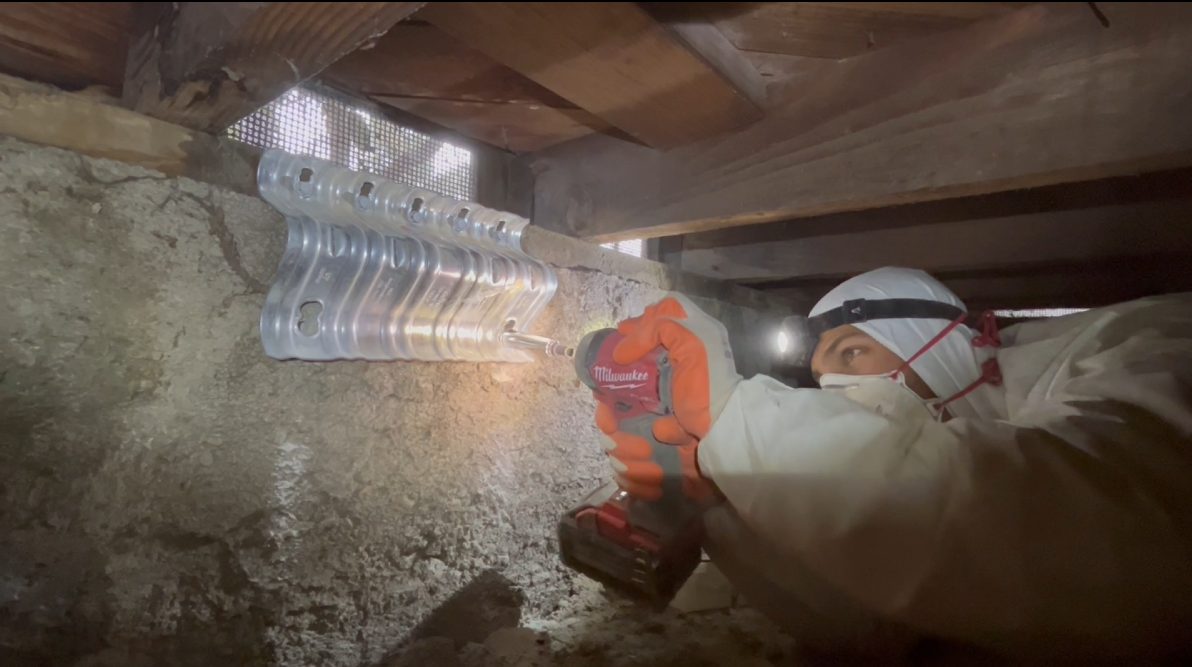
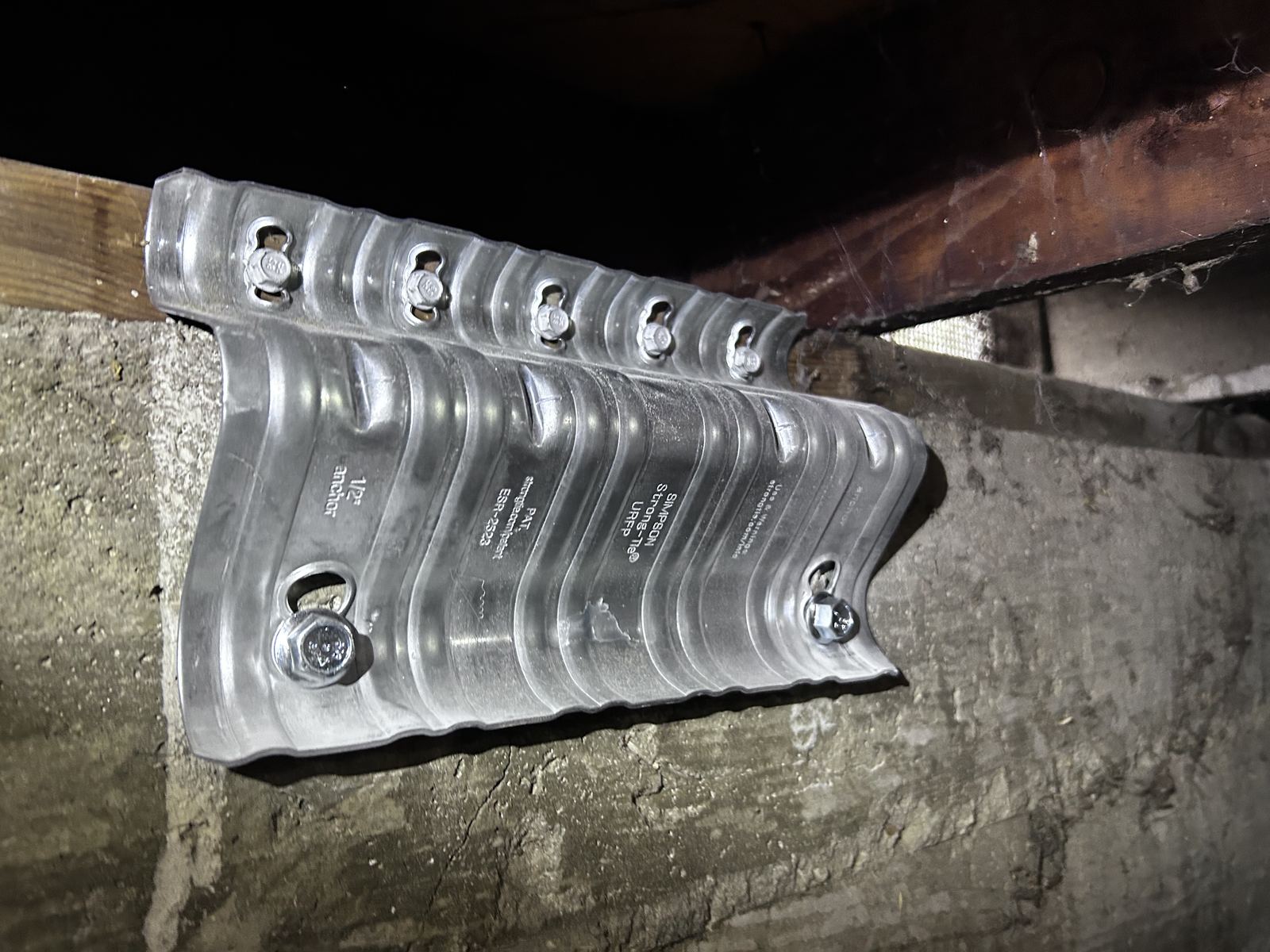
We install strong steel anchors that connect the wood frame of your home to the concrete underneath it. Once they're in, the house can't slide off its base.

Many older homes have short wood walls between the concrete and the floor. We reinforce them with structural plywood so they can't fold sideways in a quake.

We tie the floor, the walls, and the anchors into one connected system, so the whole house moves as one strong piece instead of coming apart at the weak points.
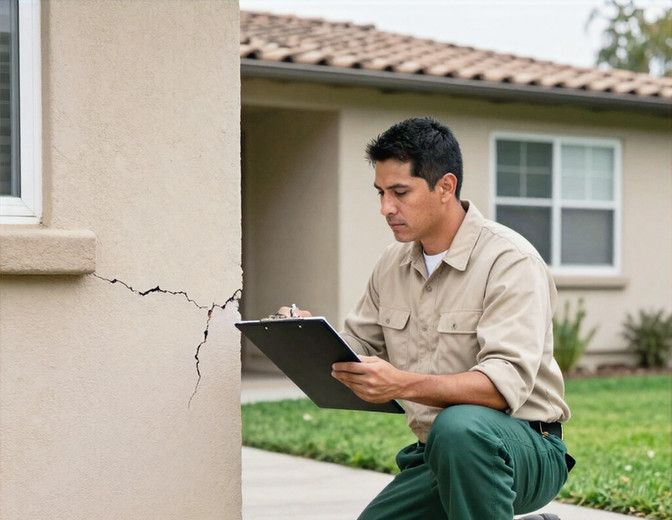
Not sure which one you are? That's what the free inspection is for. If your home is already anchored or doesn't need work, we'll tell you that too — with photos you can show your insurer or buyer.
Documentation
City permit. Final inspection sign-off. Before-and-after photos. When you sell the house, refinance, or shop for earthquake insurance, that file is worth real money — and we hand you all of it.
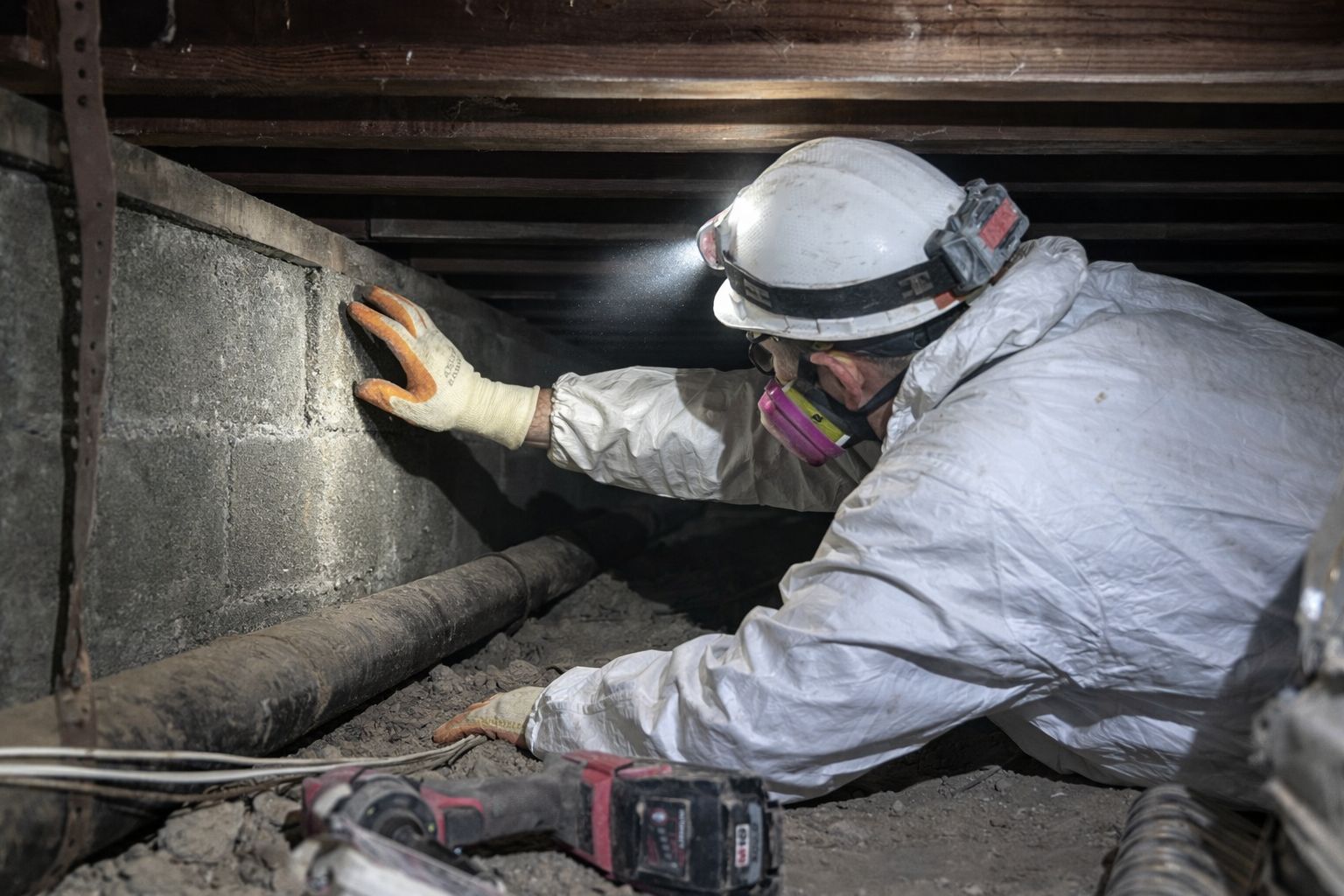
The work itself
Free 30–45 minute inspection. Photos and a written summary provided — yours to keep, whatever we find.
Most single-family homes take 2–3 working days. Getting the city permit before that usually takes days to a couple of weeks. You live in the house the whole time — all the work happens underneath it.
Often, yes. The California Earthquake Authority gives premium discounts for verified retrofits on qualifying older homes. The permit record and photos we leave you are exactly the proof they ask for.
Usually not. This work is for homes with a crawlspace underneath. Not sure what you have? Ask us — we can usually tell from the year and neighborhood before we ever visit.
Yes — and it protects you. Work done without a permit can't earn insurance discounts and causes problems when you sell. Every retrofit we do is permitted and city-inspected, included in the quote.